Deregulation: Lessons to Be Learned of the Airline Industry
Flying was a luxury until Carter signed deregulation — the airline industry is the case study regulation's defenders ignore.
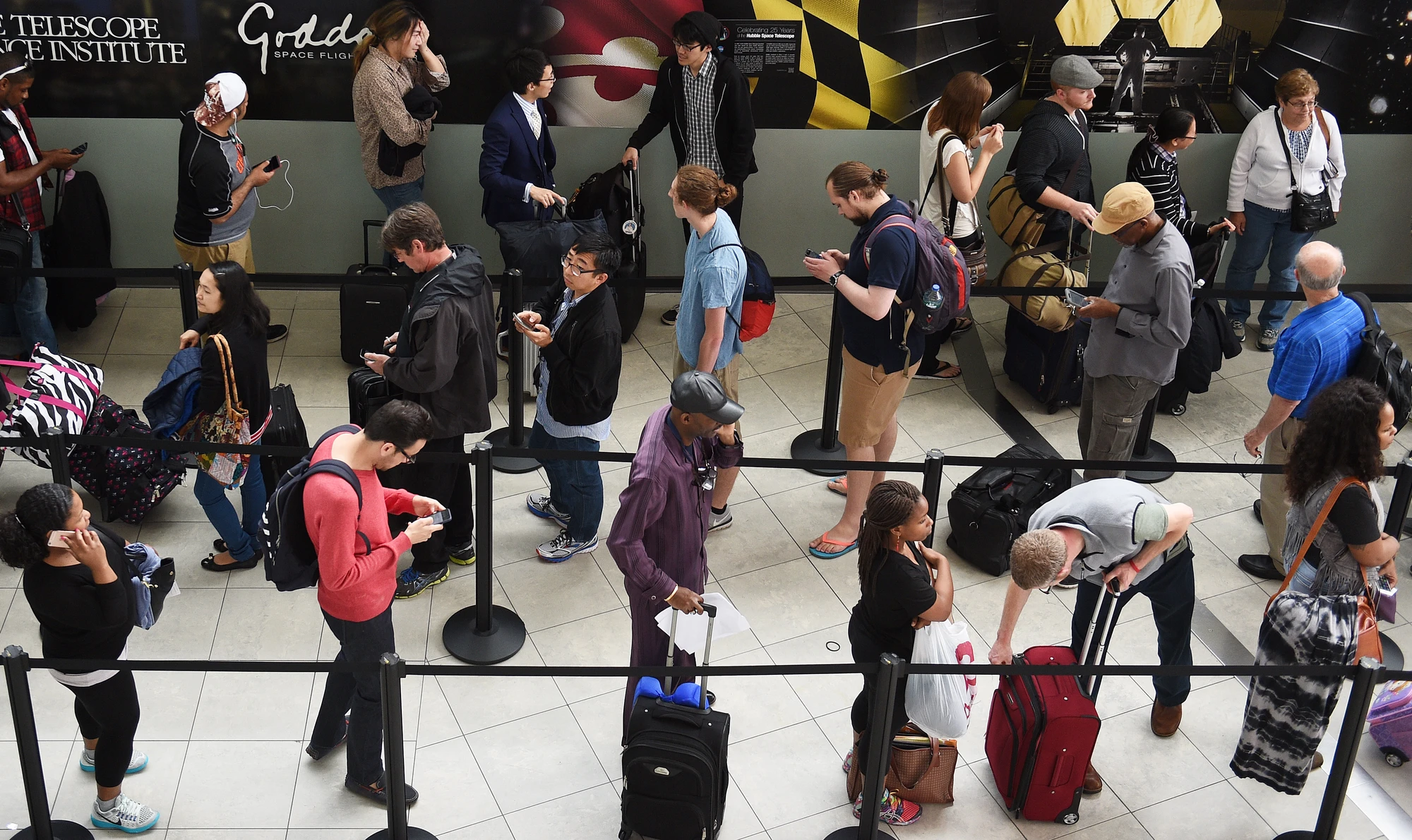
In American politics, the common debate is not one between capitalism and socialism, rather a debate between the free market and a mixed market. The focal point of this debate is more often than not on the role of the government in the economy, more specifically a number of regulations governing said economy. The argument from the left is that regulation serves to protect the “little guy,” while the right claims it only gives the rich more power because only they can afford the regulation. Who is correct? A solid case study of deregulation working to benefit all can be found in the airline industry.
On January 1st, 1914, the first scheduled passenger flight took off, with the St. Petersburg-Tampa line. While revolutionary air travel did not become popular until after the close of the Second World War, travel by air would become even more widespread with the development of the 707, the first successful jet airliner. But even with the rise in popularity of jet travel, it still remained a luxury. But why? Why would such a booming industry remain primarily exclusive to the rich? The answer is simple, government regulation. In fact, at one point, it was illegal for a transcontinental war to cost less than $1,000. The reason? During the early 1970s, the United States supported Israel in the Yom Kippur war which triggered an oil embargo against the US by Arab nations. With a severe shortage of oil, prices skyrocketed, hurting working many working Americans.